Fashion Designer Salary in India 2026: Freshers, Monthly Pay & Career Growth
A fashion designer’s salary depends on the role, employer, location and work involved. Start with a dated salary benchmark, then compare actual job offers. A national average is not a guaranteed starting salary or a measure of income from running a label.
What is the average fashion designer salary in India?
Indeed’s India salary page reports an average base salary of ₹19,749 per month from 126 reported salaries, with a stated update date of 28 March 2026. We checked that source on 22 October 2026. Its sample does not describe every fashion employer or isolate fresh graduates.
| Benchmark | How to read it |
|---|---|
| ₹19,749 per month | Indeed’s reported India average base salary, not an assured offer. |
| 126 reported salaries | A source sample, not a census of the profession. |
| 28 March 2026 | The dataset update date shown by the source; job offers can change. |
What can a fresher or junior designer earn?
Compare current vacancies for junior designer, design assistant and production assistant roles in the city where you intend to work. Check whether a quoted amount is monthly base pay, total annual compensation or take-home pay. Job titles are not standardized, so read the responsibilities as well as the salary.
A useful comparison includes working hours, probation terms, travel or relocation costs, the work you will learn and whether the employer provides materials or equipment. Ask for these details in the written offer rather than assuming that a course qualification guarantees a salary band.
How much do fashion design interns earn?
Stipends vary by employer and assignment. Confirm the amount, payment schedule, duration, supervision and any travel or material expenses before accepting an internship. An internship stipend is different from a permanent employee’s salary; this guide does not assign a universal stipend range.
How location and responsibility affect the comparison
Compare offers in the same city and for similar responsibilities. A role involving production coordination, supplier communication and fittings is different from one focused on illustration. Consider living and commuting costs alongside the offer, particularly when comparing a local role with relocation to Bengaluru, Mumbai or Delhi.
| Role | Responsibilities to check |
|---|---|
| Design assistant or junior designer | Research, sketches, fabric samples, measurements and assistance with fittings. |
| Designer or technical designer | Developing garments, specifications, construction details and production coordination. |
| Senior designer or design lead | Collection planning, review of work and coordination across a team. |
| Freelancer or label owner | Client work, pricing, materials, production costs and business administration. |
This is a way to compare job descriptions, not a fixed promotion ladder. Experience, responsibility and employer needs should be considered together.
Salary, freelance fees and business revenue are different
A project fee is not a monthly salary. A label’s sales are not the owner’s take-home income: materials, labour, rent, marketing and other costs must be covered. When evaluating freelance work, clarify the scope, revisions, delivery dates, payment stages and expenses. Avoid comparing a large project invoice directly with an employee’s monthly pay.
Build skills you can demonstrate
Use your portfolio to show the process as well as the finished garment: research, fabric choices, sketches, pattern work, construction and how you responded to fitting feedback. Describe your own contribution clearly when showing a team project. Practical samples help an employer understand what you can do.
Compare course content with the work you want to pursue. KIDAT’s one-year Graduate Diploma in Fashion Designing & Management in Shivamogga includes draping, textile science, pattern making, garment construction and fashion merchandising and management. See student work and the admission requirements before deciding.
Questions to ask before accepting an offer
- What is the base salary, and which deductions or variable payments apply?
- What are the working hours, location and probation terms?
- Which tasks will I own, and who will review my work?
- Who pays for travel, materials and software used for the role?
- When will performance and pay be reviewed?
Use salary information to compare realistic options. Training can develop your skills, but admission to or completion of a course does not guarantee employment, a promotion or a particular income.
Related reading: what fashion designing involves and finding fashion design internships.
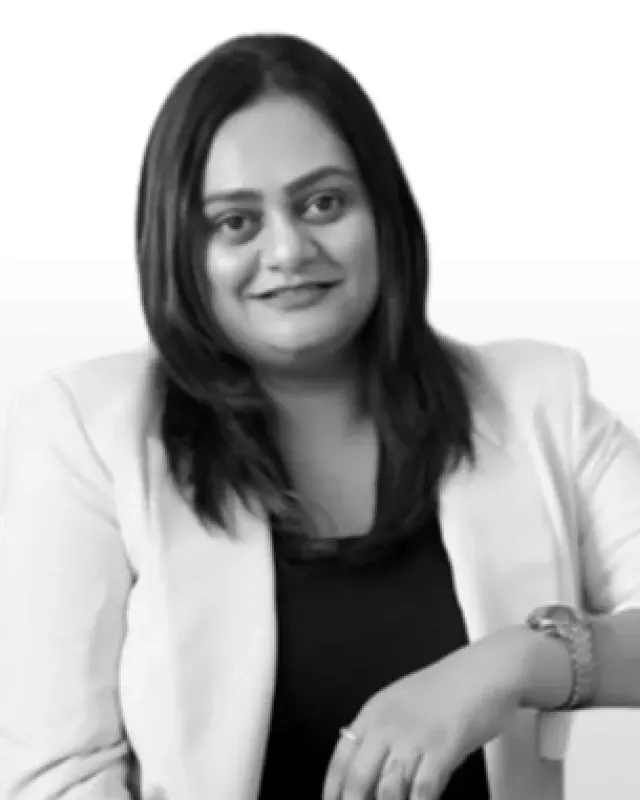
As founder of KIDAT, Dhanya has been instrumental in nurturing the creative potential of aspiring designers in Shivamogga.
Reading about fashion is the first step. Making it is the rest.
One year, full-time, in Shivamogga.